

Anton Guinea
Entrepreneur, Speaker, bestselling author, and founder of The Guinea Group of Companies. For over 15 years, Anton has helped leaders move their teams to become psychologically safe, physically safe and overall better versions of themselves.

Are your people using AI to grow stronger as a team… or are they quietly becoming disconnected, overwhelmed, and unsure where they fit?
I’ve been thinking a lot about this lately.
Everywhere I go, leaders are talking about AI. Some are excited. Some are nervous. Some are pretending it’s not going to change much.
It already has.
The bigger question is this. What happens to leadership when technology starts doing parts of the work people used to do themselves?
I don’t believe great leadership disappears in the AI era. I think the opposite happens.
The human side of leadership becomes even more important.
Teams still want trust. They still want direction. They still want to feel safe speaking up. They still want leaders who stay calm when pressure rises.
AI can speed things up. It can help people think faster. It can reduce admin load. What it cannot do is replace genuine human connection.
That’s why I believe leaders who stay relevant over the next decade will be the ones who combine technology with emotional intelligence, self-awareness, courage, and communication.
Why leadership is shifting so quickly
One thing I keep hearing from leaders is this.
“I feel like the pace of change is getting harder to keep up with.”
That feeling is real.
Research from Microsoft’s work trend index found that employees are expecting leaders to help them make sense of AI and use it productively at work. That creates pressure because many leaders are still trying to work out AI themselves.
I’ve also noticed another issue. Teams often become split during periods of change. Some people jump into new technology immediately. Others freeze. That gap creates tension inside workplaces.
This is where leadership matters.
Leaders cannot afford to become emotionally absent while teams are adapting to new systems and expectations. If anything, people need more support, more clarity, and more honest conversations.
I wrote previously about adaptive leadership strategies because adaptability is no longer optional. Teams are watching how leaders respond under pressure.
People don’t expect perfection from leaders. They expect steadiness.
The leadership skills
I think some leaders are asking the wrong question.
They ask:
“Will AI replace people?”
I think the better question is:
“What human skills become more valuable now?”
Because I’ve never seen a team succeed long term without trust.
I’ve never seen people produce their best work when they feel unsafe.
I’ve never seen culture improve because a software platform told people to care more.
That still comes from leadership.
This is why I speak so much about emotionally intelligent leadership. AI may help with speed. Human leaders still shape culture. Culture matters more than most leaders realise.
If people are scared to ask questions about AI, they stay silent.
If they worry they’ll look stupid, they avoid learning.
If leaders dismiss concerns, people disconnect emotionally from the business.
That’s dangerous.
Google’s research into team effectiveness reinforced something I’ve believed for years. The strongest teams are the ones where people feel psychologically safe. That becomes even more relevant during periods of uncertainty.
I’ve seen leaders accidentally create fear around AI by communicating badly. They talk about replacing people instead of helping people grow.
Words matter.
The best leaders help teams feel included in the future rather than threatened by it.
I recently shared thoughts around psychological safety and team innovation because people do their best thinking when they feel safe enough to contribute honestly.
How great teams stay ahead in the AI era?
Great teams are not sitting around waiting for certainty.
They are experimenting.
They are learning together.
They are building confidence through action.
One thing I’ve noticed about high-performing teams is this. They don’t treat AI as magic.
They treat it as support.
That mindset changes everything.
AI should remove friction from work. It should create more time for meaningful thinking, customer conversations, coaching, planning, and collaboration. It should not strip away humanity.
I believe leaders make a mistake when they chase productivity while ignoring emotional impact. Burnout is already affecting workplaces across Australia. If leaders simply add AI tools without helping people adapt emotionally, stress levels rise.
That’s why I’ve been speaking more about using AI to reduce workplace friction and pressure. The goal should be helping people work smarter while still feeling connected to purpose and team culture.
I also think leaders need to stop pretending they have to know everything first. Teams respect honesty.
Some of the best leaders I know openly say:
“I’m learning this too.”
That creates trust.
It also creates permission for others to learn without fear.
Research from IBM’s CEO AI insights showed that many business leaders expect AI to reshape workflows and decision-making over the next few years. That means leaders who resist learning will fall behind.
Adapting leadership styles for artificial intelligence
Leadership styles are shifting. The old command-and-control model struggles badly in uncertain environments. People need leaders who can coach, guide, listen, and create clarity.
That takes maturity. It also takes self-awareness.
I’ve seen leaders become defensive when younger employees know more about AI tools than they do. That insecurity damages trust quickly.
Strong leaders stay curious. Weak leaders protect their ego. There’s a big difference.
I wrote about nimble learning in leadership because learning speed matters now.
Leaders do not need to become technical experts overnight. They do need to create learning cultures. I believe one of the biggest mistakes leaders make is assuming AI adoption is mainly about software.
It’s about behaviour.
It’s about mindset.
It’s about communication.
It’s about helping people feel capable during change.
That’s leadership work.
Many leaders know AI matters. They just don’t know where to begin.
That’s one reason I’ve started helping organisations explore practical AI leadership approaches through hands-on AI demonstrations and team conversations that focus on people as much as technology.
Building competitive advantage with AI teams
I think businesses are looking at competitive advantage the wrong way. Many assume the advantage comes from having the best AI tools.
I disagree.
The advantage comes from having teams willing to adapt together. That’s harder to copy. Culture scales longer than software.
Teams that stay ahead usually share a few traits.
- They communicate openly
- They ask better questions
- They experiment without panic
- They learn quickly from mistakes
- They trust each other during uncertainty
That kind of environment doesn’t happen accidentally. Leadership shapes it.
I’ve spoken before about why brave thinking starts with safe teams because people rarely share bold ideas if they fear embarrassment or criticism.
AI creates huge opportunities for businesses. But it also exposes weak leadership.
If communication is poor, people become anxious.
If trust is low, resistance grows.
If leaders disappear emotionally, culture suffers.
That’s why I believe future-ready leadership will always stay deeply human.
Technology may keep changing.
Human behaviour still drives team performance.
Organisations need leaders who can help people adapt emotionally and professionally at the same time.
The leaders who stay relevant will keep learning
I genuinely believe the next few years will separate leaders into two groups.
Those who stay curious and those who cling to old habits.
The leaders who stay ahead will be the ones willing to listen, learn, test ideas, communicate honestly, and create environments where people feel safe growing.
Because no matter how advanced AI becomes, teams still need human leadership.
They still need care. They still need direction. They still need calm leadership when pressure rises.
And they still need someone willing to bring people together rather than divide them.
If your organisation is trying to work out how leadership and AI fit together, this is the right time to start having those conversations.
Explore Anton Guinea Ai Agency
I’m continuing to work with leaders and teams across Australia through leadership workshops and keynote sessions focused on communication, psychological safety, resilience, and AI leadership thinking.
If you’d like to explore what this could look like for your team, you can also reach out here and start the conversation.
Please click the image below if you’d like to chat about what leadership means to you
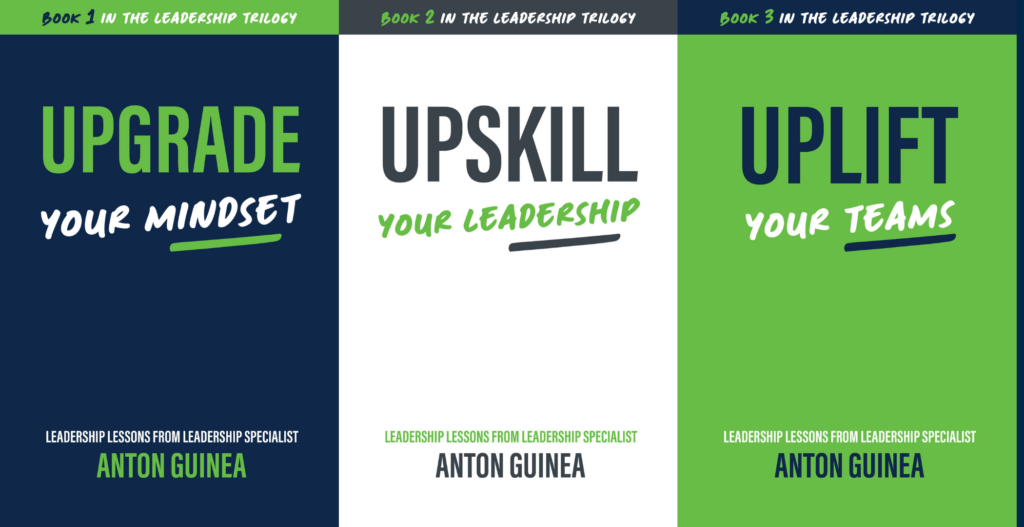
If you would like to learn more about Anton or The Guinea Group, please click here to book into Anton’s calendar, to:
UPGRADE your Mindset
UPSKILL your Leadership
UPLIFT your Teams