

Anton Guinea
Entrepreneur, Speaker, bestselling author, and founder of The Guinea Group of Companies. For over 15 years, Anton has helped leaders move their teams to become psychologically safe, physically safe and overall better versions of themselves.

28th & 29th October 2025
Speak Safe
Learn How to be Psychologically Safe

This program is about building a culture of psychological safety, where leaders and teams gain the skills to speak up, listen actively, and address challenges early. Through evidence-based frameworks and practical tools, participants learn how to model safe conversations, foster trust, and create the conditions for innovation and engagement to thrive.
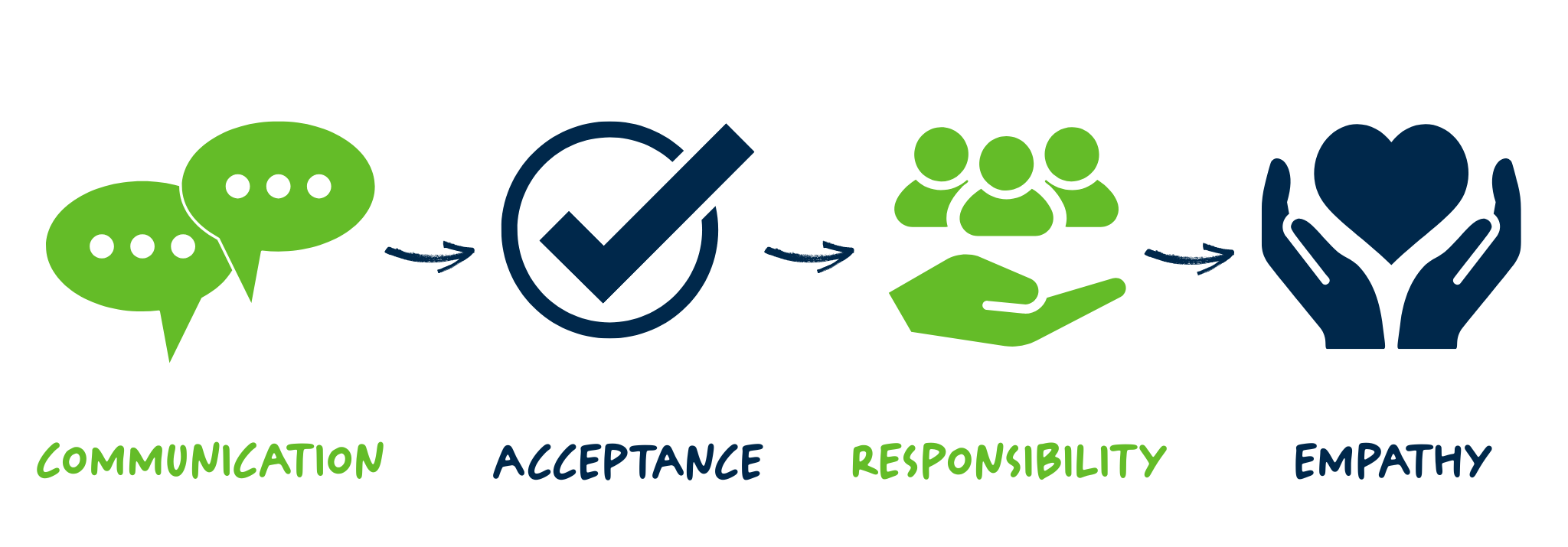
Over an intensive 2-day training (delivered in-person or virtually), participants explore the four stages of psychological safety and practice strategies to communicate openly and constructively under pressure. Leaders walk away with a clear framework and actionable tools they can immediately apply within their teams.
This experience equips leaders and teams with a shared language, stronger collaboration, and a culture where people feel safe to contribute and grow.
Spots are limited! Sign up today
Leadership Training Outcomes – Speak Safe Program
1. Build Psychological Safety as a Leadership Practice
Leaders will understand what psychological safety is (and isn’t), and why it is the foundation of trust, innovation, and team performance.
They will learn how to create an environment where people feel safe to speak up — without fear of blame, judgement, or retribution.
2. Master Difficult Conversations
Leaders will develop practical frameworks for handling tough conversations with confidence and empathy.
They will gain tools to address conflict early, turning tension into constructive dialogue.
3. Communicate with Clarity and Confidence
Leaders will learn to set clear expectations, give feedback that lands, and invite input from all voices.
They’ll practice using inclusive, respectful language that reduces defensiveness and builds collaboration.
4. Model the Behaviours They Want to See
Leaders will learn to role-model vulnerability and openness, showing their teams that speaking up is both welcomed and rewarded.
They will understand how to demonstrate accountability and invite feedback themselves.
5. Strengthen Team Engagement and Performance
Leaders will leave with the ability to boost engagement by valuing contributions, recognising effort, and empowering ownership.
They’ll understand how psychological safety links directly to higher productivity, reduced turnover, and improved decision-making.
