

Anton Guinea
Entrepreneur, Speaker, bestselling author, and founder of The Guinea Group of Companies. For over 15 years, Anton has helped leaders move their teams to become psychologically safe, physically safe and overall better versions of themselves.


As you look at the year ahead, are you repeating old leadership habits, or are you ready to step into a different chapter?
Every January, I see the same thing. Leaders come back rested, hopeful, maybe even optimistic. Then within weeks, the pressure creeps back in. Conversations get shorter. Patience thins out. People stop saying what really needs to be said.
I’ve lived this. Not from the sidelines, but from inside workplaces where silence felt safer than honesty. That’s why I don’t see a new year as a fresh coat of paint. I see it as a line in the sand. A chance to decide how you want to lead when things get uncomfortable.
This isn’t about resolutions. It’s about responsibility.
A new year doesn’t change leadership behaviour
I hear leaders say, “This year, we’ll focus on culture.” Or, “This year, we’ll communicate better.” Good intentions. Familiar words. Yet culture doesn’t shift because the calendar flips.
What actually changes behaviour is clarity. Clear priorities. Clear expectations. Clear signals about what’s safe to say and what’s not.
Over the years, I’ve learned that psychological safety rises or falls based on what leaders consistently tolerate. When leaders shut down disagreement, even subtly, teams notice. When leaders invite questions and stay present when the answers feel uncomfortable, trust grows.
This is why psychological safety is the foundation of high-performing organisations. Without it, people protect themselves. With it, they contribute.
And if you’re setting new year leadership priorities, this has to sit near the top.
Why leaders lose teams early in the year
Here’s something I’ve noticed, and it’s backed up by what leaders quietly admit in conversations online and offline.
Early in the year, teams are watching. Closely.
They’re listening to how leaders respond to bad news. They’re noticing whether feedback is welcomed or brushed aside. They’re testing whether speaking up leads to curiosity or consequences.
When leaders talk about safety but react defensively, people retreat. When leaders ask for honesty but punish it with sarcasm, silence sets in.
I’ve said it before, and I’ll say it again. Silence isn’t neutrality. Silence is data.
That’s why I often point leaders to the idea that silence isn’t safety. It’s usually the early warning sign that something is already off track.
If you want to build safer teams in the new year, you can’t wait for problems to show up loudly. You have to listen when things go quiet.
What the research keeps telling us
This isn’t just my lived experience talking.
Academic research has been clear for years. Amy Edmondson’s work on psychological safety and team learning shows that teams perform better when people believe they can speak up without being embarrassed or blamed.
Google’s own internal work, often referred to through Project Aristotle, found that psychological safety mattered more than who was on the team.
Closer to home, Australian guidance around managing psychosocial hazards at work reinforces that safety is not just physical. It’s social. Emotional. Behavioural.
Here’s the part leaders often miss.
None of this is theoretical inside a team. People feel it daily. In meetings. In one-on-ones. In how mistakes are handled.
Clear priorities create safer teams
Every leadership reset needs an anchor.
I’ve found that psychological safety starts with clear priorities. When leaders are vague, teams fill in the gaps themselves. Usually with fear-based assumptions.
Clear priorities sound simple. They aren’t always easy.
It means being explicit about how disagreement should happen. It means stating what respect looks like when people are under pressure. It means reinforcing that speaking up is expected, not optional.
This is where many leaders feel exposed. Because setting priorities also means being willing to be held to them.
Teams don’t want perfect leaders. They want consistent ones.
Speaking up is a skill, not a personality trait
One of the most common myths I hear is that some people just aren’t comfortable speaking up.
I don’t buy that.
What I’ve seen is that people speak up when the environment supports it. When leaders respond well. When mistakes don’t turn into blame sessions. When curiosity replaces judgement.
That’s why we built a culture-first psychological safety program focused on helping teams speak honestly, especially when the message feels risky.
Speaking safely isn’t about saying everything that comes to mind. It’s about knowing how to raise concerns, challenge ideas, and share insights without fear of fallout.
If improving psychological safety at work is on your agenda this year, this is where behaviour changes first.
Leadership goals that actually stick
If you’re setting leadership goals for psychological safety, keep them grounded.
Not “be more open”. That’s too vague.
Try this instead.
- I will pause before responding to bad news.
- I will ask one follow-up question before offering my view.
- I will thank people for raising concerns, even when I don’t agree.
These are observable. Measurable. Felt.
They also align with what research shows about leader behaviour and trust. The American Psychological Association highlights that leadership behaviour shapes how safe people feel to contribute.
That’s not abstract. That’s daily practice.
Upgrading workplace culture means upgrading habits
Upgrading workplace culture in 2026 won’t come from posters or slogans.
It will come from micro-moments.
How leaders respond when someone challenges a decision. How they handle frustration in meetings. How they repair moments when they get it wrong.
Culture grows through repetition.
This is where leadership training and coaching can help leaders see their blind spots. Using leadership development programs gives teams shared language, shared expectations, and shared accountability.
The goal isn’t to add more to leaders’ plates. It’s to remove behaviours that quietly damage trust.
The year ahead will test leaders
I won’t sugar-coat it.
This year will test leaders. Economic pressure. Workforce shifts. Fatigue that didn’t disappear over the holidays.
That’s why psychological safety in the new year matters so much. Under pressure, people either protect themselves or support each other.
Leaders decide which one happens.
If you’re serious about building safer teams in the new year, start early. Set expectations now. Practise calm responses now. Invite honest feedback now.
And if you need support, reach out. You can start a conversation here.
The new year isn’t just another chapter. It’s a chance to lead differently. Intentionally. Calmly. With care.
The question is simple.
What will your team say felt different this year?
Please click the image below if you’d like to chat about what leadership means to you
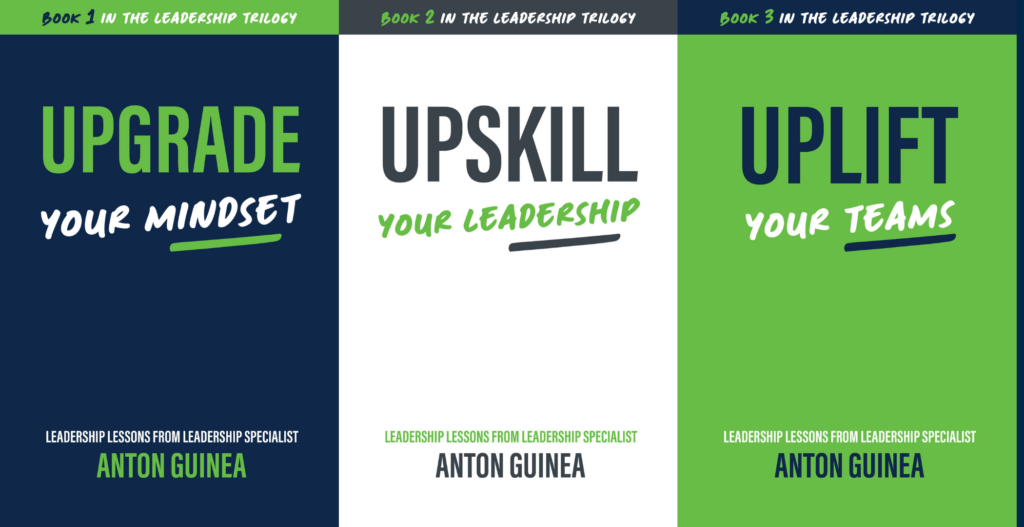
If you would like to learn more about Anton or The Guinea Group, please click here to book into Anton’s calendar, to:
UPGRADE your Mindset
UPSKILL your Leadership
UPLIFT your Teams