

Anton Guinea
Entrepreneur, Speaker, bestselling author, and founder of The Guinea Group of Companies. For over 15 years, Anton has helped leaders move their teams to become psychologically safe, physically safe and overall better versions of themselves.
What will tomorrow’s workplaces look like if leaders don’t put people’s mental wellbeing first?
I often ask myself this when I’m working with leadership teams across Australia. Over and over, I see that psychological safety is no longer a “nice to have”. It’s a requirement. The future of work in this country will be built on environments where people feel safe to speak up, share concerns, and bring their best ideas forward without fear of ridicule or reprisal.
Why psychological safety is now a legal and moral requirement
For years, I’ve talked about how caring for your team is the right thing to do. Today, it’s also the law. Under the work health and safety code of practice 2024, every Person Conducting a Business or Undertaking (PCBU) must identify, assess and control risks to psychological health. This includes job demands, bullying, low role clarity, poor change management, and more. You can find a full list at safe work australia’s guidance on psychosocial hazards. These obligations can’t be ticked off with paperwork. They have to be lived in daily leadership behaviour.
In my work, I’ve seen how failing to meet these standards costs businesses dearly. Psychological injury claims in Australia now average far more weeks away from work than physical injuries. This isn’t abstract, it’s lost productivity, higher premiums, and most importantly, real harm to people. I unpack this further in the legal and moral case for psychological safety in the workplace, where I argue that leaders can’t separate legal duties from their duty of care as humans.
The hidden hazards we don’t always see
Many of the most serious risks in workplaces are invisible. Heavy workloads and unclear expectations quietly wear people down. Subtle exclusion or an atmosphere of fear stops good ideas from ever surfacing. I’ve watched talented people leave roles simply because no one addressed these hazards. The research backs this up. The unsw research on psychosocial safety in australian workplaces shows how poor psychosocial climates lead to higher turnover, stress, and long-term health costs.
And here’s the thing I’ve learned over years of coaching and even from candid discussions online: people know when leaders are pretending. Teams can tell when “wellbeing” is just a buzzword. Genuine care shows up in small daily choices. How meetings are run, how mistakes are handled, and whether leaders are consistent in their support. That’s why I often tell leaders to focus less on grand statements and more on everyday signals of trust.
If you want a practical start, I recommend my guide on what is psychosocial safety and how to build a healthier workplace. It lays out concrete steps that any organisation can take to identify and reduce these invisible risks.
Why the future of work depends on safe conversations
I’ve learned from experience and from countless private conversations with leaders that fear is the enemy of growth. When people are afraid to speak up, safety issues go unreported, mistakes are hidden, and creativity stalls. The cost of silence is real and heavy. In fact, I’ve written about how important this is in breaking the stress cycle and how psychological safety transforms workplaces.
Leaders set the tone. If you shut someone down or respond with anger, the whole team notices. If you lean in with curiosity and empathy, everyone sees that too. Simple habits like asking open questions and really listening can change the entire energy of a meeting. I often tell clients: safe teams start with brave leaders. There’s no shortcut. It’s built one conversation at a time.
Practical steps leaders can take now
So where do you start if you want to make sure your workplace is ready for the future?
- Get familiar with the model code of practice on managing psychosocial hazards and regularly review your processes.
- Talk openly with your team about workload, clarity, and relationships. Don’t wait for a crisis.
- Build routines for feedback and listening. I often help leaders set up check-ins that focus on people, not just tasks.
- Invest in leadership development that teaches emotional control and care. We cover this deeply in our book anton programs and through specialised sessions like the speak safe workshop.
These actions do more than meet legal standards. They create stronger, more resilient teams who want to stay and contribute. I’ve seen workplaces transformed when leaders treat psychological safety as a daily practice, not a policy line.
Looking ahead with confidence and care
Australian workplaces are at a turning point. As we move further into 2025 and beyond, the organisations that thrive will be the ones that put mental wellbeing on equal footing with physical safety. That means real investment in leaders who can keep calm under pressure, who can create a culture of trust, and who understand the deep link between safety and performance.
I invite you to learn more and start now. You can talk directly with me through the contact page if you’re ready to begin. Or, if you’d like to experience a powerful first step, join our next speak safe workshop. It’s designed to help leaders practise the conversations that make workplaces truly safe.
The future of work in Australia will be defined by how well we care for people’s minds and hearts. I know from my own life, surviving a near-fatal workplace accident that safety can never be an afterthought. It has to be the foundation. Let’s build that future together, one safe conversation at a time.
Please click the image below if you’d like to chat about what leadership means to you
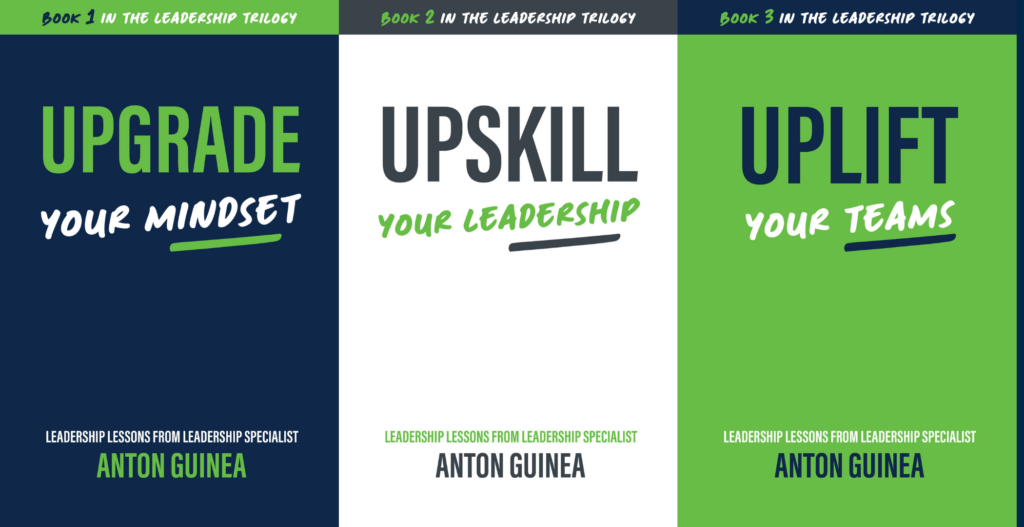
If you would like to learn more about Anton or The Guinea Group, please click here to book into Anton’s calendar, to:
UPGRADE your Mindset
UPSKILL your Leadership
UPLIFT your Teams