

Anton Guinea
Entrepreneur, Speaker, bestselling author, and founder of The Guinea Group of Companies. For over 15 years, Anton has helped leaders move their teams to become psychologically safe, physically safe and overall better versions of themselves.


Have you ever stopped to ask yourself what people actually feel when you walk into the room?
I’ve spent years sitting with leaders after things have gone wrong. Not just KPIs missed or projects delayed, but moments where trust cracked, people shut down, or silence took over. And almost every time, the root cause wasn’t strategy. It was influence. More specifically, how that leader showed up when it mattered.
The influence you carry shapes the culture you create. Culture doesn’t live in posters on the wall. It lives in behaviour. Yours first.
Culture doesn’t start with values statements
I hear leaders say they want a better culture. More ownership. More accountability. More trust. Then I watch what they do when someone challenges an idea, raises a concern, or makes a mistake.
Culture is formed in those moments.
What you tolerate, repeat, or ignore becomes the standard.
I’ve said this many times to leaders I coach: your team is always watching. Not your words. Your reactions. Your tone. Your body language. Your follow-through.
This is why trying to “roll out” culture never works. You don’t install it. You live it.
If this resonates, I’ve written more on why changing the culture starts with changing leadership behaviour, not policies.
Influence shows up under pressure
One thing I’ve noticed over the years is how honest pressure can be. Anyone can look calm when things are easy. The real story shows up when deadlines hit, emotions rise, or mistakes land hard.
I’ve lost count of how many leaders have said to me, “That’s not who I normally am.” And I believe them. But culture isn’t shaped by who you are on good days. It’s shaped by who you are on the tough ones.
When leaders snap, shut people down, or disappear, the message is clear. It’s not safe here. Speak up at your own risk.
This lines up with research into what makes teams work well. Psychological safety keeps showing up as a core factor. People need to feel safe to speak, question, and contribute.
I’ve seen teams with brilliant people underperform because fear ran the room. I’ve also seen average teams outperform expectations because leaders created space for honesty.
You can’t force behaviour but you can influence it
Here’s a hard truth that some leaders don’t like hearing. You can’t control how people think or feel. But you absolutely influence how they respond to you.
Every reaction you have sends a signal.
When you listen without interrupting, you tell people their voice matters. When you ask questions instead of issuing orders, you invite ownership. When you admit you got it wrong, you give others permission to do the same.
I’ve explored this idea more deeply in this article on influencing behaviour through leadership presence. Influence isn’t about authority. It’s about consistency.
This is where leaders often get stuck. They want engagement but react defensively. They want honesty but punish it. They want initiative but micromanage.
Culture mirrors leadership. Every time.
What leaders say when they think no one’s listening
Some of the most honest insights I’ve come across didn’t come from books or conferences. They came from conversations with leaders who felt burnt out, frustrated, or unsure.
One theme keeps popping up. People don’t leave workplaces. They leave how they’re treated.
I’ve heard leaders admit they stop sharing ideas because it’s not worth the fallout. I’ve heard others say they only speak up when they’re absolutely sure, because getting it wrong feels unsafe.
That silence is a cultural warning sign.
If you’re interested in how this silence affects teams long-term, this research on psychological safety and wellbeing paints a clear picture of what happens when people stop feeling heard.
I don’t believe most leaders set out to create fear. I believe many are unaware of the influence they carry in everyday moments.
Influence starts in the mind
Before leaders change behaviour, something else has to shift. Their thinking.
If you believe leadership means having all the answers, you’ll struggle to listen. If you believe vulnerability equals weakness, you’ll avoid hard conversations. If you believe pressure justifies poor behaviour, your culture will reflect that.
I’ve written before about how influence begins with the mindset leaders bring into the room. Culture follows belief.
Leaders who see their role as creating conditions for others to succeed behave differently. They ask more. They assume less. They pause before reacting.
Those pauses matter more than most people realise.
Why communication shapes culture faster than policy
If you want to shift culture quickly, look at how leaders communicate.
What gets said in meetings. What doesn’t. Who speaks. Who stays quiet. How disagreement is handled.
This is where many leadership teams fall down. They expect clarity without structure. They expect buy-in without belief.
I see this often in presentations. Leaders speak at people, not with them. The message gets delivered, but it doesn’t land.
This is exactly why we run sessions that focus on helping leaders build confidence and clarity when communicating under pressure. How you present ideas shapes how people respond to them.
Clear communication builds trust. Confused communication breeds doubt.
Influence is earned daily
There’s a misconception that influence comes with a title. It doesn’t. It comes with behaviour that people trust.
I’ve worked with frontline leaders who had more influence than senior executives because people felt safe around them. They were predictable. Calm. Human.
Influence isn’t loud. It’s consistent.
If you want people to bring ideas, curiosity, and effort to work, they need to believe it’s worth the risk. That belief doesn’t come from speeches. It comes from experience.
This is backed by research into how leadership behaviour shapes organisational culture. People respond to what leaders do, not what they say they value.
What this means for you as a leader
If you’re reading this and feeling a bit uncomfortable, that’s okay. Growth often starts there.
Ask yourself a few honest questions.
How do I react when someone disagrees with me?
What behaviour do I excuse when I’m stressed?
What message does my silence send?
You don’t need to be perfect. You need to be aware.
If you’re serious about shaping a culture where people speak up, take ownership, and perform, it starts with you. Every conversation. Every reaction. Every decision.
If you want support exploring what your influence is creating and how to shift it, you can start a conversation with me here.
And if you’re unsure where to begin, reach out through our contact page. Culture doesn’t change overnight, but it does change when leaders decide to show up differently.
The influence you carry today is already shaping tomorrow’s culture. The question is whether it’s doing the work you want it to.
Please click the image below if you’d like to chat about what leadership means to you
If you would like to learn more about Anton or The Guinea Group, please click here to book into Anton’s calendar, to:
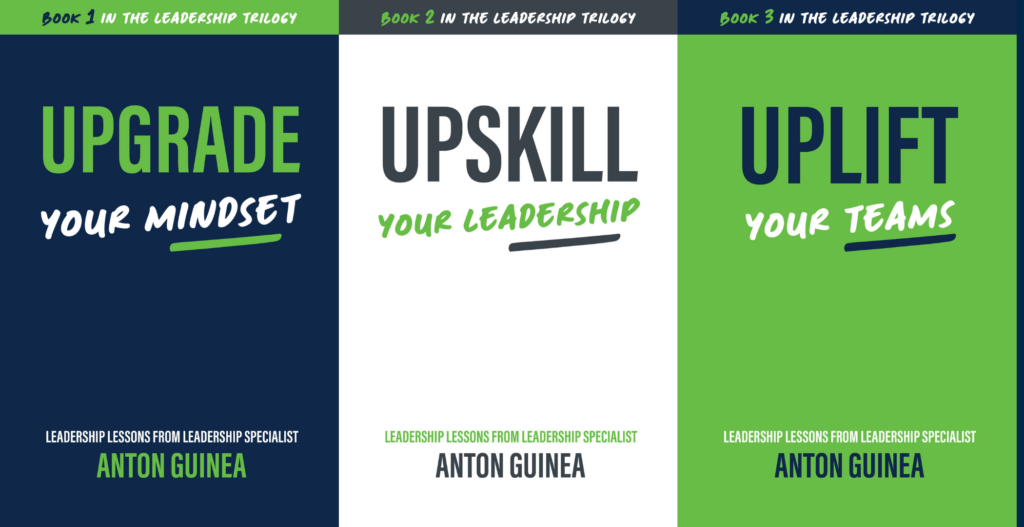
UPGRADE your Mindset
UPSKILL your Leadership
UPLIFT your Teams