

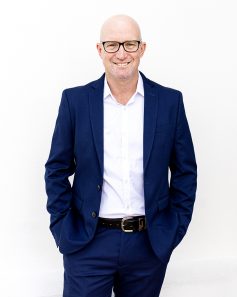
Anton Guinea
Entrepreneur, Speaker, bestselling author, and founder of The Guinea Group of Companies. For over 15 years, Anton has helped leaders move their teams to become psychologically safe, physically safe and overall better versions of themselves.

So here we are in 2026, but what does great leadership actually look like right now?
I ask this question often. In rooms full of senior leaders. In quiet coaching sessions. And sometimes late at night after a long day. Leadership has shifted quickly, and the old playbooks don’t hold the way they once did.
I’ve spent more than two decades inside workplaces where pressure is real, mistakes carry weight, and silence causes harm. What I see now is clear. Leadership in 2026 is less about control and more about how you show up when things feel uncomfortable or uncertain.
This isn’t theory. It’s lived experience. And it mirrors what leaders are openly sharing right now about what’s working, what’s breaking, and what they wish they’d learned earlier.
Leadership is changing because people have changed
I hear the same frustrations everywhere. People want clarity. Fairness. Straight answers. They’re worn down by leaders who look calm until pressure hits, then react badly. They’re tired of being asked for input and punished for honesty.
Global research backs this up. The world economic forum’s work on future skills keeps pointing to the same reality. Emotional capability, trust, and communication now sit alongside technical skill.
Leadership priorities for the new workplace are no longer vague ideas. They’re expectations.
- Leaders who stay steady under pressure
- Leaders who listen before reacting
- Leaders who don’t disappear when things get hard
This is where many organisations feel stuck.
Emotional intelligence is no longer optional
I’ve said this for years. If you can’t manage your emotions, you end up managing the damage they cause.
When leaders admit they feel stretched or unsure, it often comes with guilt. Like they should be beyond that by now. That belief does more harm than good.
What matters now is emotional control, not emotional suppression.
I’ve written before about emotional intelligence in modern leadership and how it separates teams that cope from teams that quietly unravel.
The same pattern shows up in the latest global workplace data from gallup. Disengagement rises when leaders lack emotional awareness and consistency.
This isn’t about being soft. It’s about being safe to work with.
Psychological safety is a leadership requirement
I’ve watched what happens when people don’t feel safe to speak. Corners get cut. Issues stay hidden. Stress builds quietly until it shows up in ways no one wants.
That’s why building psychologically safe teams is no longer optional. It’s a leadership skill.
I’ve seen leaders genuinely surprised when their teams finally speak honestly. Silence had been mistaken for agreement. It wasn’t.
This is why I often point leaders to building psychologically safe teams as the base layer for performance.
Australian workplaces are also operating under clearer expectations now. Guidance from regulators has shifted attention firmly toward psychosocial risk, reinforcing what many leaders already know through experience.
Posters don’t change behaviour. Conversations do.
High-performing teams speak up early
I often hear leaders say, “I wish they’d told me sooner.”
Most of the time, the signs were there. People just didn’t believe it was safe to raise them.
Teams that perform well now don’t wait for permission to speak. They trust their leader will listen.
I’ve shared before how creating a culture where people speak up changes the rhythm of a workplace.
This lines up with long-running research like google’s work on team effectiveness. Their findings, explored here, keep pointing to psychological safety as the common thread.
People don’t need perfect leaders. They need present ones.
What great leadership looks like in 2026
Let me be direct.
- Great leaders are emotionally consistent
- They don’t disappear under pressure
- They don’t punish honesty
- They don’t pretend they have all the answers
They build trust before they need it.
They understand that building high-performing teams means fewer speeches and more conversations.
Leadership isn’t about being impressive. It’s about being reliable.
Where many leaders need practical support
I see the same gaps repeatedly.
Leaders want to do the right thing, but they don’t always know how to create safe conversations in real time, especially when emotions run high.
This is exactly why we built a practical speak safe workshop for teams. It gives leaders and teams a shared language and clear expectations they can use straight away.
For many organisations, the start of the year is when behaviour and expectations reset. Not with slogans, but with skill-building.
Leadership conversations shape culture
I believe most leadership issues show up in conversations first.
What gets said. What stays unsaid. And how people feel when they walk away.
If you’re serious about how leadership is changing in 2026, start by paying attention to the quality of dialogue inside your business.
If you want to talk through what this looks like for your organisation, you can reach out.
And if you’re looking for someone to challenge and support your leaders in a real way, you can also book anton for a leadership keynote or facilitated session.
Leadership in 2026 isn’t louder.
It’s calmer. Clearer. And far more human.
Please click the image below if you’d like to chat about what leadership means to you
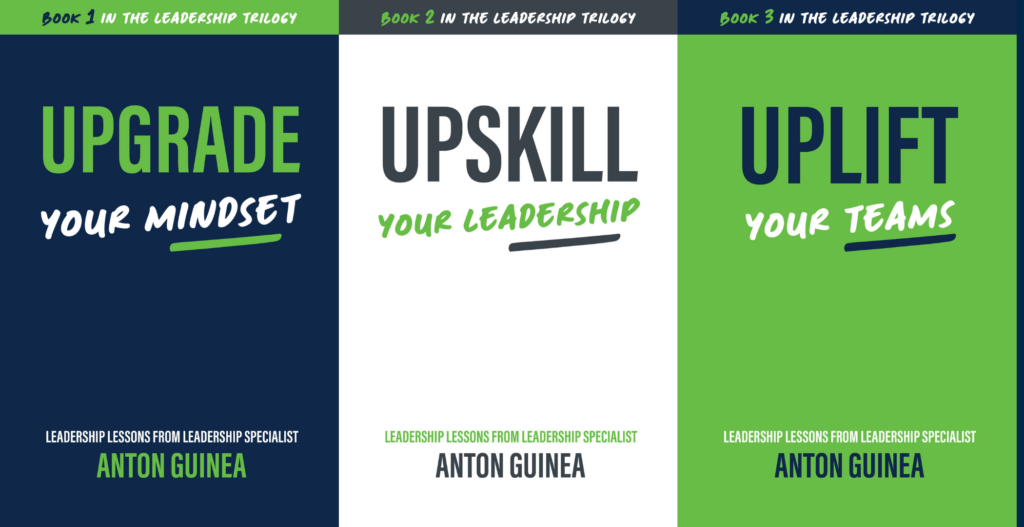
If you would like to learn more about Anton or The Guinea Group, please click here to book into Anton’s calendar, to:
UPGRADE your Mindset
UPSKILL your Leadership
UPLIFT your Teams